
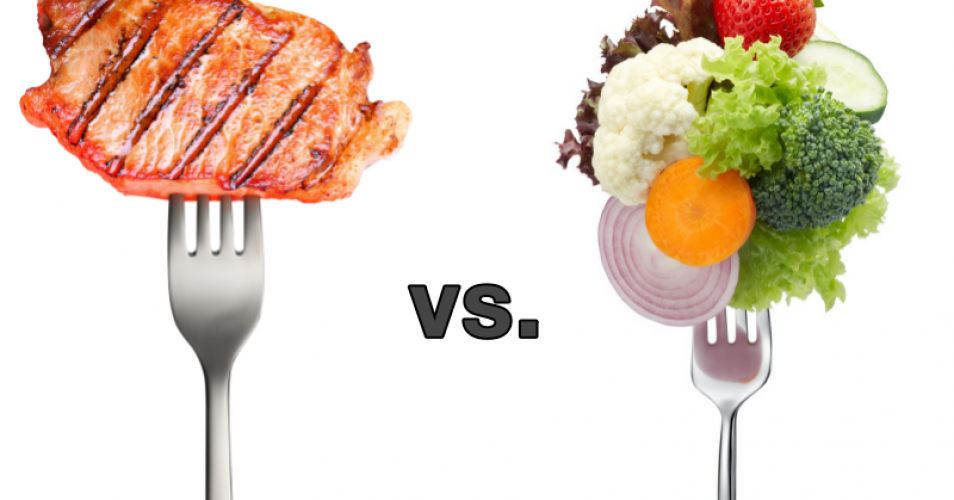
There are virtually no nutrients in animal-based foods that are not better provided by plants.
Eating animals is a markedly different nutritional experience from eating plants. Plant foods have dramatically more antioxidants, fiber, and minerals than animal foods. In fact, animal foods are almost completely devoid of several of these nutrients plus they have much more cholesterol and fat. Animal foods have slightly more protein than plant foods, along with more B12 and vitamin D, although vitamin D is largely added to milk.
By definition, for a food chemical to be an essential nutrient, it must meet two requirements:
1. The chemical is necessary for healthy human functioning, and
2. The chemical must be something our bodies cannot make on their own, and therefore must be obtained from an outside source
One example of a chemical that is not essential is cholesterol, a component of animal-based food that is nonexistent in plant-based food. While cholesterol is essential for health, our bodies can make all that we require; so we do not need to consume any in food. Therefore, it is not an essential nutrient.
There are four nutrients in which animal-based foods have that plant-based food, for the most part, do not: cholesterol and vitamins A, D, and B12. Three of these are nonessential nutrients. Cholesterol is made by our bodies naturally. Vitamin A can be readily made by our bodies from beta-carotene, and vitamin D can be readily made by our bodies simply by exposing our skin to about fifteen minutes of sunshine every couple of days. It is estimated that we hold a three-year store of vitamin B12 in our bodies. If you do not eat any animal products, particularly if you are pregnant or breastfeeding, you should take a small B12 supplement regularly and consider getting tested for B12 levels.
- Dr. T. Colin Campbell, PhD1
Grains, fruits, nuts, and vegetables constitute the diet chosen for us by our Creator. These foods, prepared in as simple and natural a manner as possible, are the most healthful and nourishing. They impart a strength, a power of endurance, and a vigor of intellect that are not afforded by a more complex and stimulating diet.
But not all foods wholesome in themselves are equally suited to our needs under all circumstances. Care should be taken in the selection of food. Our diet should be suited to the season, to the climate in which we live, and to the occupation we follow. Some foods that are adapted for use at one season or in one climate are not suited to another. So there are different foods best suited for persons in different occupations. Often food that can be used with benefit by those engaged in hard physical labor is unsuitable for persons of sedentary pursuits or intense mental application. God has given us an ample variety of healthful foods, and each person should choose from it the things that experience and sound judgment prove to be best suited to his own necessities.
- Ellen G. White, Ministry of Healing p. 296
1For decades T. Colin Campbell, Ph.D. has been at the forefront of nutrition education and research. Dr. Campbell’s expertise and scientific interests encompass relationships between diet and disease, particularly the causation of cancer. His legacy, the China Project, is one of the most comprehensive studies of health and nutrition ever conducted. Dr. Campbell is the Jacob Gould Schurman Professor Emeritus of Nutritional Biochemistry at Cornell University. He is also the founder of the highly acclaimed, CNS and eCornell Plant-Based Nutrition Certificate and serves as the Chairman of the Board for the T. Colin Campbell Center for Nutrition Studies.